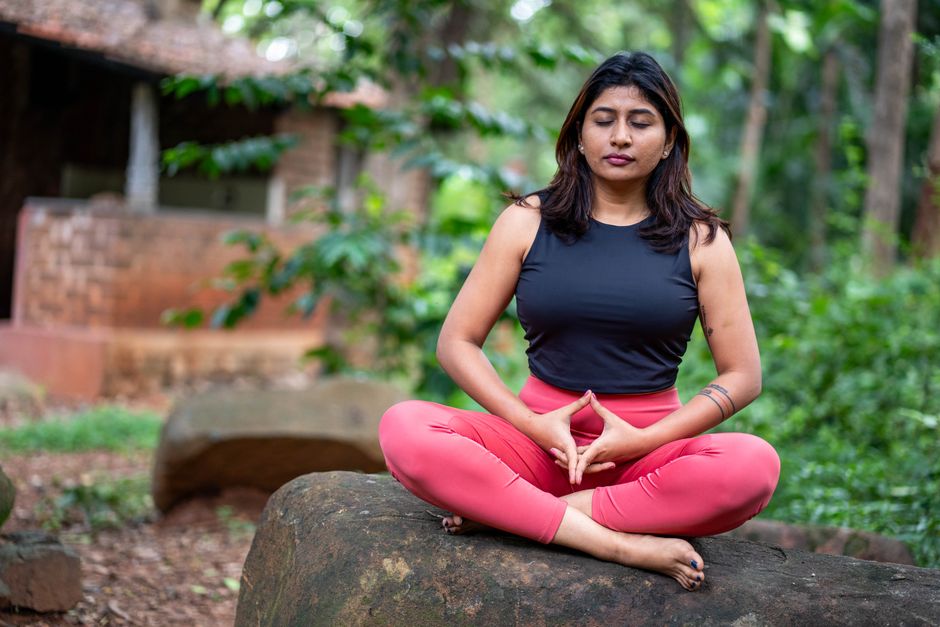
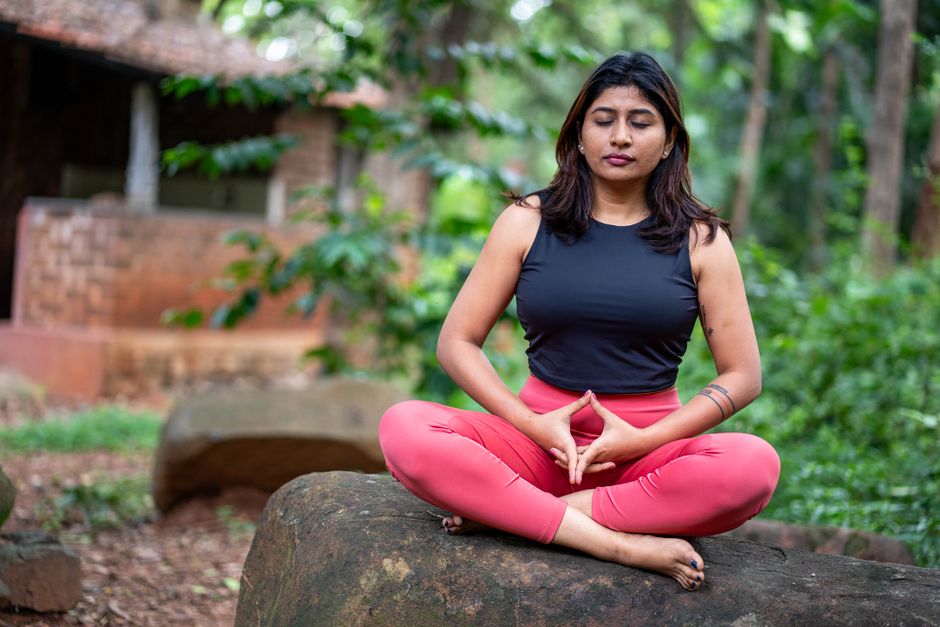
San Antonio Independent School District quietly expanded its mindfulness curriculum to 14 additional campuses this past spring semester, bringing the total to 31 schools district-wide where students practice structured breathing and attention exercises during the school day. The move signals a broader shift in how Alamo City educators are thinking about student mental health — not as a counselor's-office problem, but as a daily classroom practice.
The timing matters. Texas Education Agency data released in January 2026 showed that 1 in 4 Texas students reported persistent feelings of sadness or hopelessness in the prior school year, a figure that climbed steadily from 2022 onward. San Antonio's rate tracked close to the state average. At the same time, local pediatricians and school nurses at clinics along Fredericksburg Road and Medical Drive have reported a spike in anxiety-related visits among children ages 8 to 14. Schools looking for low-cost, scalable interventions have increasingly landed on mindfulness as a first line of response — not a replacement for professional care, but a complement to it.
What's Actually Happening in San Antonio Classrooms
The Calm Classroom program, now active in SAISD, trains teachers to lead five-minute structured exercises at the start of the day — simple breath-counting routines, body scans, and guided attention checks. The program costs districts roughly $18 per student annually for training materials and teacher certification, making it one of the cheaper mental wellness tools on the market. Several SAISD campuses on the South Side, including schools in the Harlandale feeder zone, piloted the approach in fall 2024 before the district scaled it.
Northside ISD, which serves communities stretching from Helotes to Leon Valley, runs a separate initiative through its counseling department called MindUP, a curriculum developed by the Goldie Hawn Foundation and adopted by more than 1,500 school districts across North America. MindUP lessons are embedded into language arts and social studies blocks — 10 minutes, three times a week — rather than treated as a standalone period. Northside rolled it out to 22 elementary campuses in 2025 and is evaluating a middle school expansion for the 2026-27 school year.
Outside the traditional district structure, the San Antonio-based nonprofit Jazz'SAlive Foundation has partnered with three Title I schools near the Eastside Arts District to blend mindfulness with creative arts programming. Students at those campuses spend one afternoon per week combining journaling, movement, and breathing techniques in sessions led by trained facilitators. The foundation reports that attendance at those afternoon sessions has held above 87 percent since October 2025 — a number school administrators privately consider remarkable for optional programming.
What Parents and Teachers Should Know
For families curious about whether their child's school participates, both SAISD and Northside ISD publish campus-level wellness program directories on their official websites, updated each August before the school year opens. Parents at campuses not yet enrolled can request that their school's Site-Based Decision-Making Committee — the legally required advisory body at every Texas public school — add mindfulness programming to its annual improvement plan discussion.
Teachers interested in personal training have a local resource: the Chopra Center-certified instructor community that meets monthly at the Blue Star Arts Complex on South Alamo Street holds a free educator session on the first Saturday of each month, specifically oriented toward classroom application. The August 1 session is already scheduled and open for registration through the Blue Star website.
Anyone considering mindfulness practices for a child dealing with clinical anxiety, ADHD, or trauma should consult a pediatric mental health professional first — UT Health San Antonio's department of psychiatry at the South Texas Medical Center accepts pediatric referrals and offers sliding-scale appointments. School programs are wellness tools, not clinical treatment, and the distinction matters. But for the roughly 100,000 students now in districts where some version of these programs exists, the five minutes of quiet at the start of a school day is at least a start.