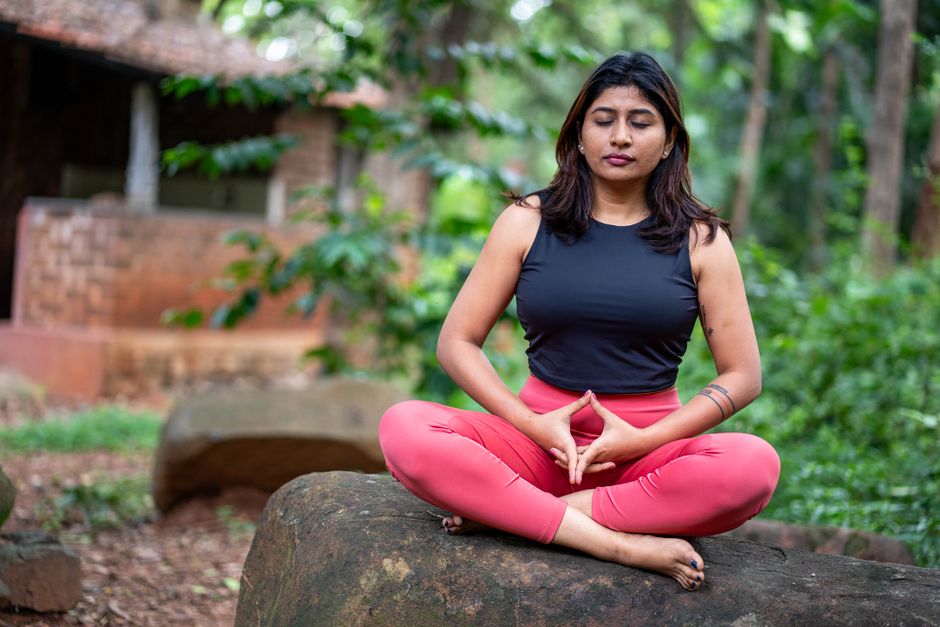
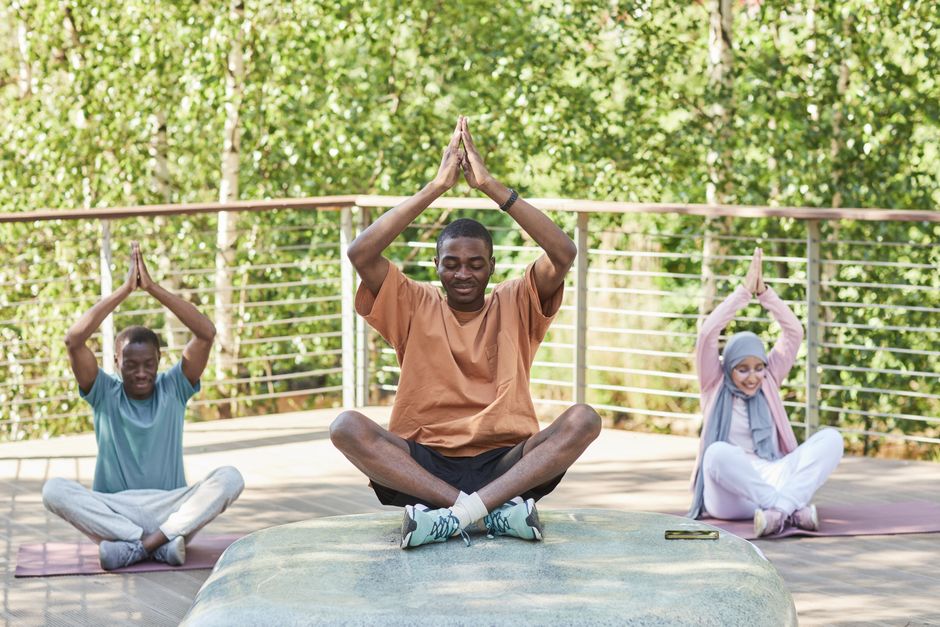
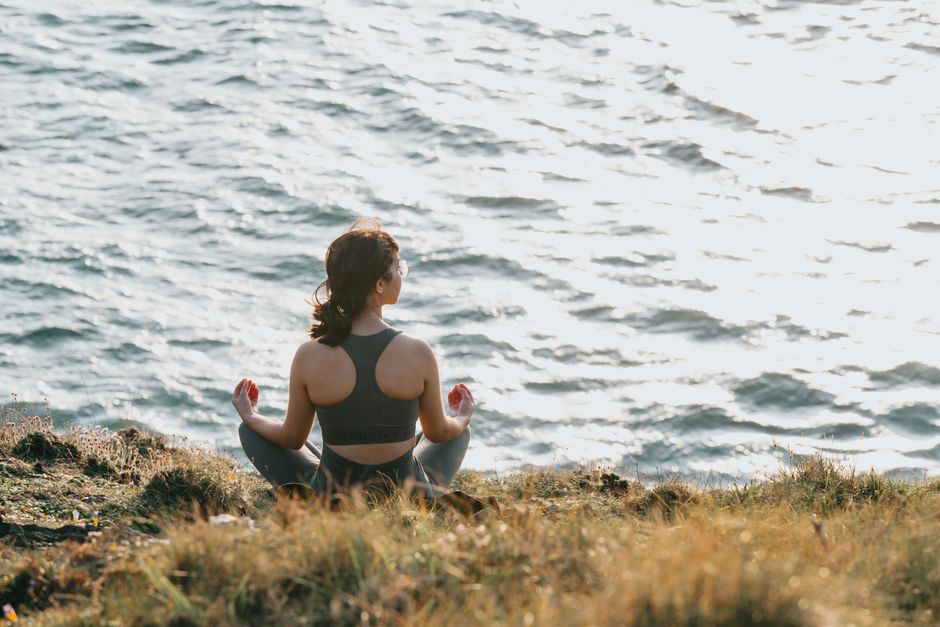
Early on a muggy Wednesday morning in late May, a group of fifth graders at Lamar Elementary on North Main Avenue sat cross-legged, eyes closed, in their classroom. For ten quiet minutes, the teacher led them through deep breathing and a simple guided meditation. It’s not an unusual scene: mindfulness sessions like this are rolling out in dozens of San Antonio campuses as local schools invest in mental wellness for kids.
This focus on mindfulness in schools comes at a time when educators are grappling with a steep rise in student anxiety and behavioral challenges. Local counselors point to academic stress and the lingering effects of the pandemic as drivers. According to the San Antonio Metropolitan Health District, rates of reported youth anxiety have climbed 30% since 2019 across Bexar County. School administrators say short, regular mindfulness practices can be a practical tool to keep students focused — and keep classroom disruptions to a minimum.
Growing Momentum Across Campuses
The San Antonio Independent School District (SAISD) began piloting its Mindful Student Initiative at four elementary schools two years ago. The pilot—funded in part by Methodist Healthcare Ministries—has now expanded districtwide, reaching over 6,600 students in the 2025-26 school year, officials confirmed last week. At Stewart Elementary, near Southcross and New Braunfels Avenue, students start and end every day with a "brain break": either guided meditation, breathwork, or reflection journals.
Meanwhile, local nonprofits are stepping in to train teachers and provide age-appropriate resources. MindShift San Antonio, headquartered in the Deco District, runs after-school meditation clubs at three middle schools on the West Side, including Tafolla and Harris. Executive director Carla Gomez said enrollment has doubled since last fall, topping out at 140 kids this semester. The YMCA’s Davis-Scott Family Center on East Commerce Street also launched its own pilot, offering Saturday family mindfulness classes—free for local district students. "We wanted to give kids and their parents the same tools for managing stress at home," says program coordinator Raynalda Jimenez.
Does It Actually Work?
National research on school-based mindfulness points to measurable benefits. The Collaborative for Academic, Social, and Emotional Learning (CASEL) found that schools with daily mindfulness saw a 14% reduction in disruptive behaviors within a semester. Locally, SAISD tracked discipline referrals at its pilot schools over the last year and reported a 19% decrease compared to non-participating campuses—a difference of nearly 200 fewer incidents. Participation doesn't require fees: all programs funded through grants or partnerships remain free for campus families.
Districts aren’t limiting their efforts to elementary grades. Madison High School in Northeast ISD, located off Stahl Road, now offers a Mindful Mondays elective for sophomores and juniors. Yoga mats line the classroom floor, and students learn visualization techniques tied to managing social pressure and test anxiety. According to program data, 70% of participants reported feeling "less overwhelmed" after six weeks.
Expanding Access and What’s Next
With results like these, SAISD will train another 300 teachers by September 2026. Nonprofits are aiming for at least five more middle and high school partners next year. Parents interested in bringing programs to their child’s school can reach out directly to MindShift San Antonio or inquire at their campus counseling office. The public can also access free beginner meditation sessions at the Phil Hardberger Park Urban Ecology Center every third Saturday, with sessions focused on mindfulness for teens.
For busy families, experts recommend starting simple: five minutes of quiet breathing before school or a shared mindful walk after dinner. While not a cure-all, these easily accessible programs show that helping San Antonio’s students build calm and focus is within reach—and, school leaders hope, on track to grow citywide.