Wellness
Gut Health 101: Fermented Foods You Can Find Locally
San Antonio's markets, taquerias, and specialty grocers are stocked with probiotic-rich staples — here's where to start eating for your microbiome.
4 min read
Wellness
San Antonio's markets, taquerias, and specialty grocers are stocked with probiotic-rich staples — here's where to start eating for your microbiome.
4 min read
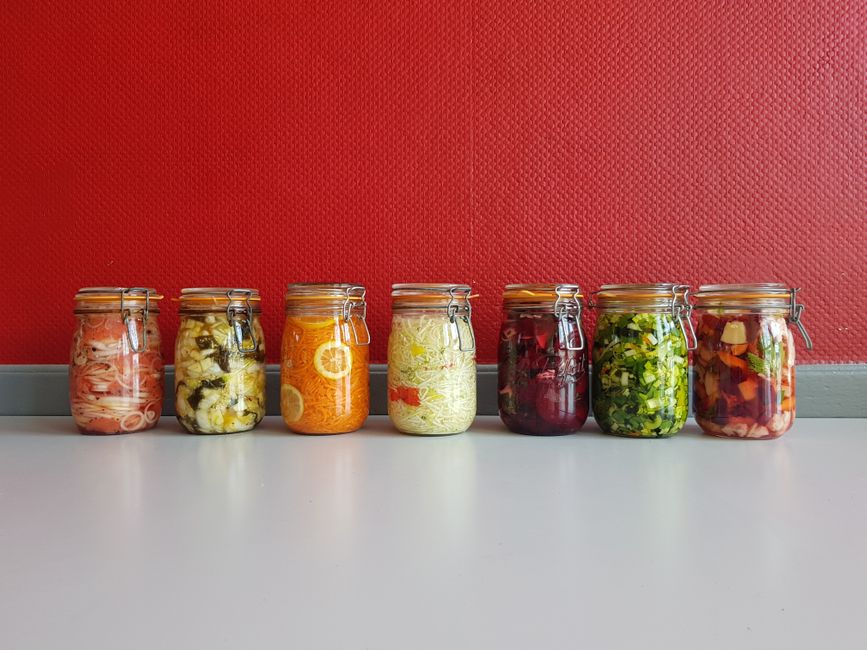
Fermented foods are having a moment in San Antonio, and you don't need a prescription or a wellness influencer to find them. From the agua fresca stands at the San Antonio Farmers Market on Produce Row to the kimchi-stocked refrigerators at H-E-B locations across the city, gut-friendly foods are woven into the local food culture — many residents just don't recognize them as such.
The renewed interest in gut health comes on the heels of a broader national conversation about the microbiome — the roughly 38 trillion bacteria living in the human digestive tract — and its links to inflammation, immunity, and even mood regulation. Research published in Cell in 2021 found that a high-fermented-food diet increased microbiome diversity and decreased markers of inflammation in study participants over a 10-week period. That science hasn't faded. Registered dietitians across the country report client inquiries about probiotics and fermented foods have climbed steadily since 2023, and San Antonio's food scene happens to be unusually well-positioned to answer the call.
Fermentation is simply the process by which microorganisms like bacteria and yeast break down sugars in food, producing acids or alcohol that preserve the food and, in many cases, seed it with live cultures. Yogurt, kefir, sauerkraut, kimchi, kombucha, miso, and traditional corn tortillas made with nixtamalized masa all qualify to varying degrees. San Antonio's deep Mexican culinary tradition means several of these are already pantry staples for a large share of the population.
Take tepache. The fermented pineapple drink, made from the rind and core of a pineapple with piloncillo and cinnamon, has deep roots in Mexican street food culture and shows up regularly at the Pearl Farmers Market on Broadway Street on weekend mornings. Several vendors at the Eastside's Dignowity Hill neighborhood pop-ups have begun selling house-made tepache in 16-ounce mason jars for around $6 to $8 each. It's tangy, lightly effervescent, and contains live cultures when unpasteurized.
Cullum's Attagirl on South Alamo Street stocks a rotating selection of local and regional kombucha on tap, including batches from San Antonio-based Jun Cultures, a small-batch fermentation operation that started selling at local markets in early 2025. A 32-ounce growler runs approximately $12. For those who want to go further, Central Market on San Pedro Avenue carries an extensive fermented foods section — raw sauerkraut, koji-fermented rice, a dozen varieties of miso paste, and both dairy and non-dairy kefir — with most shelf items priced between $5 and $14.
Gut health experts consistently caution against treating fermented foods as a silver bullet. The microbiome is complex, highly individual, and responds to diet over time rather than overnight. Still, small consistent additions tend to produce measurable results. The same 2021 Cell study found benefits emerged from an average daily intake of roughly 6 servings of fermented foods — a number that sounds high until you realize a cup of yogurt at breakfast, a splash of kefir in a smoothie, and a tablespoon of kimchi with dinner at Kimura on Soledad Street add up quickly.
San Antonio's climate also matters. The city's heat drives residents toward cold, acidic drinks — agua de jamaica, tamarind agua fresca, and yes, kombucha — that fit naturally into existing habits. Swapping one sugary soda a day for a raw, low-sugar kombucha is a low-friction entry point most nutrition professionals support.
For those wanting structured guidance, the Methodist Healthcare Ministries Community Wellness Center on West Commerce Street periodically offers free nutrition workshops; their summer 2026 schedule includes a session on fermented foods and digestive health tentatively set for late July. Check their website for confirmed dates. As always, anyone managing a specific digestive condition — IBS, Crohn's disease, SIBO — should talk to a gastroenterologist or registered dietitian before making significant dietary changes. San Antonio's University Health system has a dedicated digestive health clinic at the Robert B. Green Campus downtown that accepts patients on a sliding-scale fee basis.
Start simple. Buy one fermented item this week. The Pearl market runs every Saturday from 9 a.m. to 1 p.m. That's enough time to find tepache, ask questions, and eat something that's genuinely good for you.
This article was compiled by AI and screened before publishing. See our editorial standards.

Wellness

Wellness

Wellness

Wellness
About this article
Published by The Daily San Antonio
Spread the word
Daily brief
Free, in your inbox before 7am. Weekdays.
The Daily Network — local news across Australia