Wellness
The Sleep Environment Checklist for Better Rest
San Antonio's heat, noise, and late-night culture are quietly wrecking your sleep — here's how to fix the room before you fix the routine.
4 min read
Wellness
San Antonio's heat, noise, and late-night culture are quietly wrecking your sleep — here's how to fix the room before you fix the routine.
4 min read
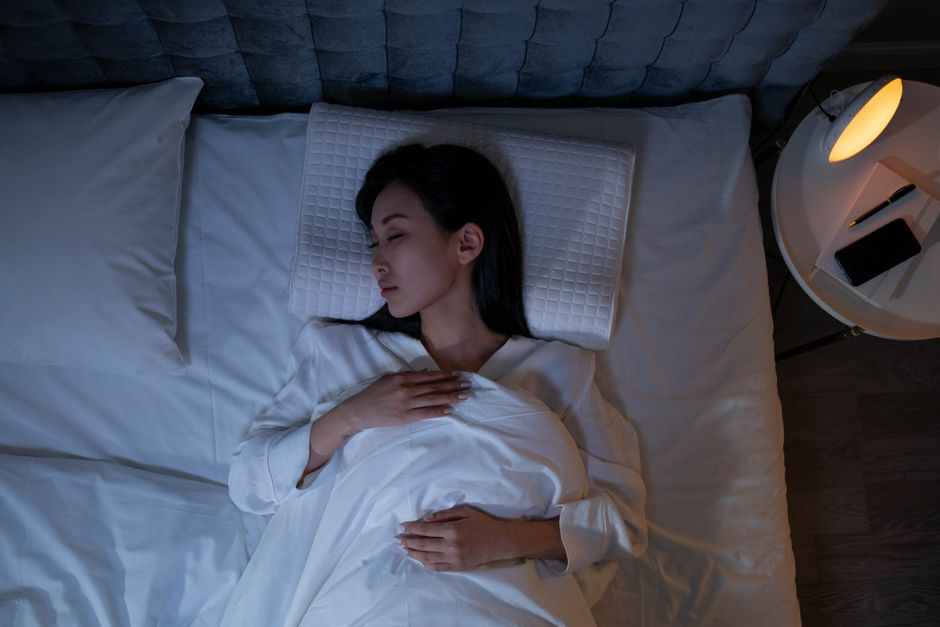
The bedroom is broken. That's the blunt conclusion sleep researchers keep landing on when they dig into why roughly 35 percent of American adults log fewer than seven hours a night, according to the Centers for Disease Control and Prevention. In San Antonio, where July temperatures routinely hit triple digits and the River Walk pulses past midnight, the environmental barriers to decent sleep are more aggressive than most cities care to admit.
Hormone conversations have dominated wellness media lately — melatonin, cortisol, the whole endocrine cascade — but clinicians who work with sleep disorders consistently point to something more immediate: the physical space people sleep in. Fix the environment first, they say, and the biology often follows. It's a message that's landed hard in a city still sorting out its post-pandemic health priorities.
The science on sleep temperature is settled enough to call it a rule. Core body temperature needs to drop one to three degrees Fahrenheit to initiate and sustain deep sleep. In a city where the average overnight low in July sits around 78 degrees Fahrenheit, that's a real logistical challenge. Running central air to maintain a bedroom between 65 and 68 degrees is the standard recommendation — but with CPS Energy residential electric bills averaging $180 to $220 a month during summer peak months, many households are compromising on cooling to cut costs.
The checklist starts here. Blackout curtains, which block solar heat gain through windows, retail for $30 to $80 at stores including the HomeGoods on Loop 1604 near Stone Oak, and they do double duty: blocking both heat and the ambient light that suppresses melatonin production. A ceiling fan set to run counterclockwise in summer pushes cooler air down and can let you raise the thermostat two to three degrees without losing sleep quality. Weighted blankets — popular but often misunderstood — work best when paired with a cooler room, not as a substitute for one.
Noise is the second variable most San Antonians underestimate. The entertainment districts around St. Mary's Strip and the Pearl complex generate enough ambient sound to register on noise monitors past 2 a.m. on weekends. White noise machines, which run $25 to $60 at Target locations on Blanco Road and on Walzem Road near the Northeast Side, consistently outperform earplugs in sleep studies because they mask irregular intrusive sounds rather than simply muffling overall volume.
Light pollution deserves its own line on the checklist. Even small LED indicator lights — the standby glow on a television, a router, a charging strip — are enough to disrupt melatonin secretion during the night. Covering them with electrical tape costs nothing. For those living in neighborhoods like Alamo Heights or King William, where older home designs bring large east-facing windows into bedrooms, morning light arrives aggressively early. Cellular shades installed inside the window frame reduce this without sacrificing the room's aesthetic.
The University of Texas at San Antonio's College of Health, Community and Policy has been expanding its public wellness programming, and sleep hygiene has been a recurring topic in its community health workshops held at the UTSA Main Campus on UTSA Circle. Their materials echo what sleep medicine specialists nationwide emphasize: screens in the bedroom are the single most disruptive behavioral-environmental factor, outpacing even caffeine timing for many adults under 45.
The practical closing argument is simple. Walk through the bedroom before you get into it tonight. Check the thermostat. Look for light sources you've stopped noticing. Listen for noise that you've habituated to but your nervous system hasn't. The Methodist Healthcare sleep disorder programs, operating out of several San Antonio campuses including the Methodist Hospital on Merton Minter Boulevard, offer free sleep health screenings periodically — their next community event is worth watching for on their website. A sleep study might eventually be warranted, but the checklist costs nothing and takes ten minutes. Start there.

Wellness

Wellness
Wellness

Wellness
About this article
Published by The Daily San Antonio
Spread the word
Daily brief
Free, in your inbox before 7am. Weekdays.
The Daily Network — local news across Australia