Wellness
The Sleep Environment Checklist for Better Rest
San Antonio's heat, noise, and late-night culture are quietly wrecking your sleep — here's how to fix the room before you fix the routine.
4 min read
Wellness
San Antonio's heat, noise, and late-night culture are quietly wrecking your sleep — here's how to fix the room before you fix the routine.
4 min read
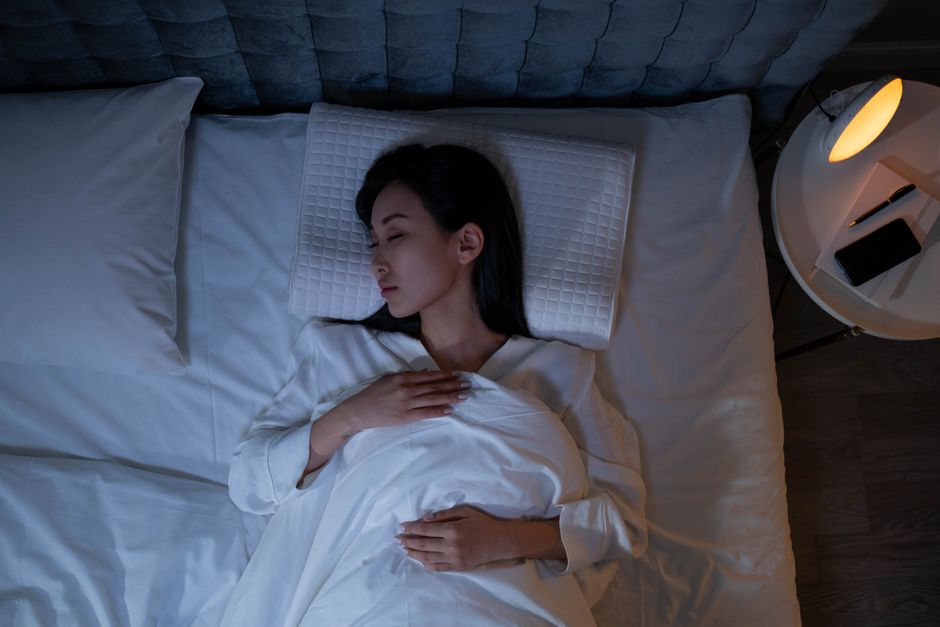
Start with the thermostat. That single adjustment — dropping your bedroom to somewhere between 65 and 68 degrees Fahrenheit — is the highest-leverage change most San Antonians never make, according to sleep researchers who study environmental factors. In a city where July outdoor temperatures routinely hit 99 degrees by 3 p.m. and AC units run around the clock, the bedroom often gets overlooked as a clinical space requiring precise conditions. It shouldn't.
Sleep health has moved from a niche wellness conversation to a mainstream public concern over the past two years, driven partly by growing awareness of how hormones like melatonin and cortisol respond directly to environmental cues — light, temperature, sound — rather than willpower alone. The Centers for Disease Control and Prevention reported in 2024 that roughly one in three American adults gets less than the recommended seven hours per night. In Bexar County, where shift work at Baptist Health System and Joint Base San Antonio supports a large portion of the working population, irregular sleep schedules compound the problem significantly.
The checklist matters because the bedroom environment sends biological signals before the head ever touches the pillow. Light is the most immediate offender. San Antonio's Pearl District and the River Walk corridor produce substantial ambient light pollution that bleeds into residential neighborhoods as close as Government Hill and Lavita Heights. Blackout curtains — available at the IKEA on Loop 410 near Ingram for roughly $40 to $60 a panel — block that intrusion and trigger the brain's melatonin production cycle more reliably than most supplements.
Noise is the second variable. The city's two major highways, Interstate 35 and Loop 410, generate consistent traffic sound into the early morning hours, and San Antonio International Airport flight paths cut directly over neighborhoods including Olmos Park and Terrell Hills. White noise machines, which retail between $25 and $80 at the Target on Fredericksburg Road, are not a luxury fix — they mask irregular sound spikes, which are the specific type of noise that pulls sleepers from deep restorative cycles into lighter stages.
Mattress quality rounds out the physical checklist. Sleep Foundation data from 2025 suggests the average American keeps a mattress for 10 years, well past the 7-to-8-year replacement window most sleep specialists recommend. Locally, Mattress Firm operates multiple San Antonio locations, including a flagship near North Star Mall on San Pedro Avenue, and runs semi-annual clearance events where queen sets from mid-tier brands like Sealy and Beautyrest drop 30 to 40 percent from standard retail pricing. The next major event is expected ahead of Labor Day weekend.
Here is the practical framework. Temperature first: 65 to 68 degrees Fahrenheit is the target range. Light second: blackout curtains or a quality sleep mask, with all phone screens either face-down or on the opposite side of the room from the bed — blue light suppresses melatonin for up to 90 minutes after exposure. Sound third: white noise or a fan to mask street and traffic intrusion. Bedding fourth: breathable cotton or linen sheets rated for warm climates, a practical concern in South Texas nine months of the year.
The YMCA of Greater San Antonio, which operates facilities including the Copernicus Community Center on Culebra Road, has incorporated sleep hygiene into its broader wellness programming as of early 2026, pairing it with stress management sessions on weekday evenings. Several UT Health San Antonio primary care clinics have begun distributing a two-page sleep environment assessment to patients during routine visits, signaling that local healthcare providers are treating the bedroom as a clinical variable rather than a personal preference.
Anyone uncertain about underlying sleep disorders — apnea, chronic insomnia, restless leg syndrome — should speak with a physician before treating the problem as purely environmental. The room matters. So does the diagnosis. Get both right.

Wellness

Wellness

Wellness

Wellness
About this article
Published by The Daily San Antonio
Spread the word
Daily brief
Free, in your inbox before 7am. Weekdays.
The Daily Network — local news across Australia