Americans are losing sleep — literally. The Centers for Disease Control and Prevention estimates that roughly 1 in 3 adults gets fewer than the recommended seven hours a night, and San Antonio, with its sprawling commute times, punishing July temperatures that routinely push past 100 degrees Fahrenheit, and a cost-of-living anxiety that has sharpened since 2024, is no exception. Local wellness providers say demand for sleep-focused consultations and classes has climbed noticeably through the first half of 2026.
The timing matters. The long Fourth of July weekend typically means later nights, alcohol, fireworks noise past midnight, and disrupted morning alarms — a reliable annual reset of whatever sleep routine people had cobbled together. Researchers at the University of Texas Health Science Center at San Antonio, based on the South Texas Medical Center campus on Floyd Curl Drive, have tracked how seasonal disruption compounds chronic sleep debt. One week of poor sleep, their work has shown, can take up to four days to fully recover from. Most people never give themselves those four days.
What's Actually Keeping San Antonians Awake
Three culprits keep coming up. First, heat. The city's overnight lows in July frequently stay above 78 degrees, making it hard for the body's core temperature to drop — a biological prerequisite for deep sleep. Second, screens. The blue-light problem is not new, but usage patterns have intensified; a 2025 survey by the American Academy of Sleep Medicine found that 57 percent of adults scroll social media within 30 minutes of bedtime, up from 46 percent in 2022. Third, money stress. With median home prices in Bexar County hovering near $295,000 as of spring 2026 and rental rates on the near North Side averaging $1,480 a month for a one-bedroom, financial anxiety is a consistent background hum that many residents describe as hardest to switch off at night.
Hormonal shifts are adding to the problem for a significant slice of the population. Midlife adults dealing with fluctuating estrogen or testosterone levels often report waking between 2 a.m. and 4 a.m. — a pattern that sleep medicine clinicians say is among the most common and least-diagnosed contributors to chronic fatigue. Anyone noticing that pattern should speak with a physician before reaching for melatonin supplements, which are widely available at H-E-B locations citywide but are frequently misused in doses far higher than research supports.
Local Resources and Practical Steps
The good news is that San Antonio has a surprisingly robust network of options for people who want structured help. Baptist Health System's Sleep Disorders Center on the Baptist Medical Center campus downtown on Madison Street offers full polysomnography studies and cognitive behavioral therapy for insomnia, known as CBT-I — currently considered the gold-standard treatment by the American College of Physicians. A standard CBT-I program runs six to eight weekly sessions and typically costs between $150 and $300 per session depending on insurance coverage.
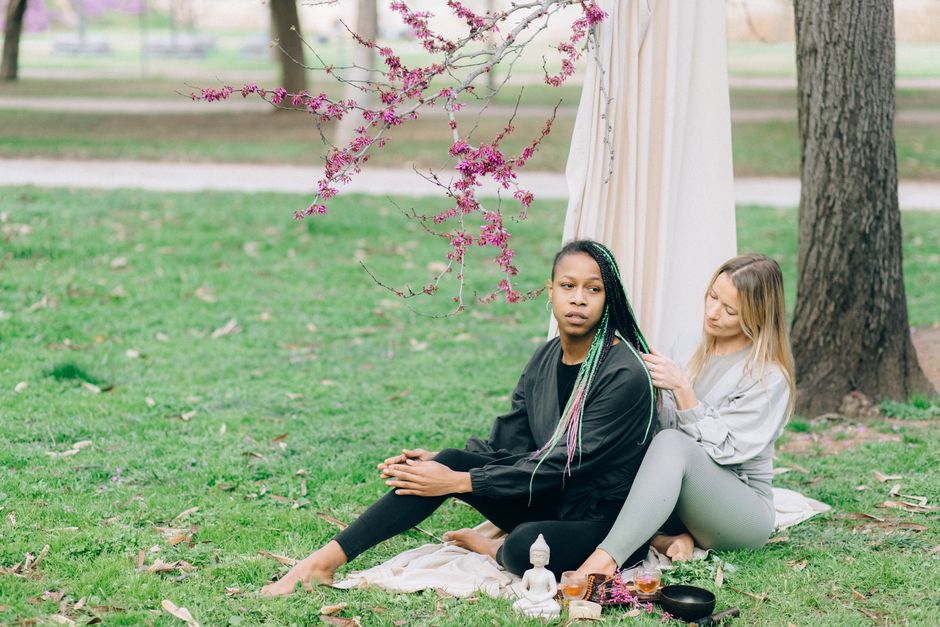
For people who want something lower-intensity, the San Antonio Parks and Recreation Department runs early-morning yoga sessions at Brackenridge Park, near the 3900 block of North St. Mary's Street, several days a week through the summer. Exercise timing matters: morning workouts anchor the circadian rhythm in ways that late-evening gym sessions can disrupt. The YMCA of Greater San Antonio, which operates 14 branches across the metro area, added a sleep hygiene workshop to its wellness programming in January 2026, offered free with membership.
The practical advice sleep specialists consistently return to is almost frustratingly simple: keep wake time fixed seven days a week, drop the bedroom thermostat to between 65 and 68 degrees even in summer, put the phone in another room, and cut alcohol within three hours of bed. Alcohol may feel like a sedative but fragments sleep architecture in the second half of the night. None of that costs anything. A quality set of blackout curtains — worth considering given San Antonio's long summer daylight — runs about $40 at most home goods stores on Loop 410.
The bigger shift is treating sleep as infrastructure rather than luxury. San Antonians who want a personalized assessment should start with their primary care physician or reach out directly to a board-certified sleep medicine specialist. The wait for new-patient appointments at the South Texas Medical Center complex is currently running four to six weeks — reason enough to make the call before the holiday weekend is over.