Wellness
Mindfulness in Schools: What Local Programs Are Available
San Antonio classrooms are carving out quiet moments for students — here's where the city's meditation movement is taking root.
4 min read
Wellness
San Antonio classrooms are carving out quiet moments for students — here's where the city's meditation movement is taking root.
4 min read
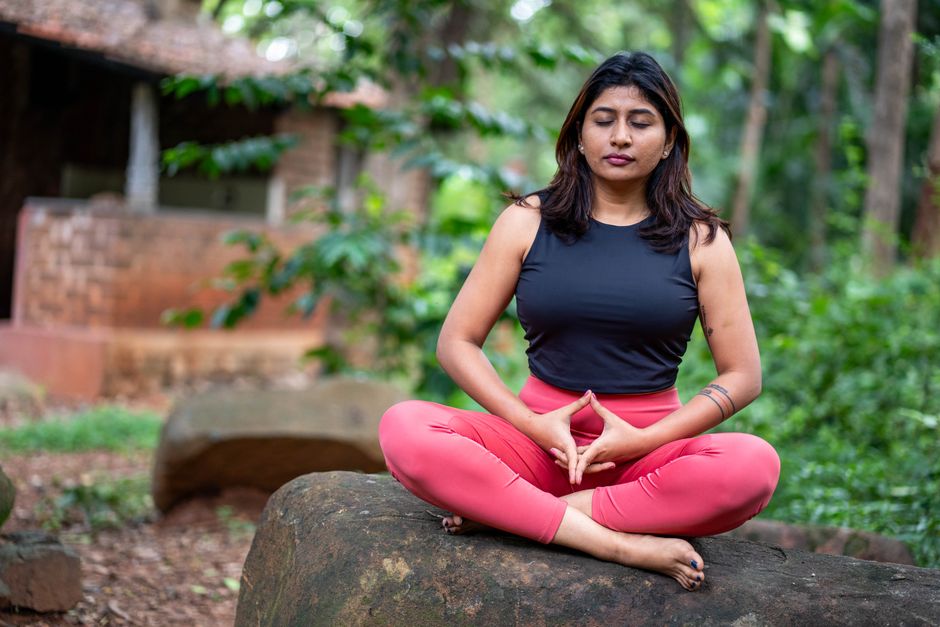
San Antonio Unified schools serving roughly 47,000 students added structured mindfulness programming to at least a dozen campuses during the 2025–2026 academic year, making the city one of the more active adopters of classroom meditation in South Texas. The shift is small but accelerating, driven by teacher burnout, post-pandemic anxiety rates among children, and a growing body of clinical research that administrators say they can no longer ignore.
Mental health has become the dominant conversation at school board meetings citywide. Bexar County's own community health data, released in spring 2025, found that nearly 38 percent of middle school students reported persistent feelings of sadness or hopelessness over a two-week period — a figure that tracks with national trends but lands harder in lower-income ZIP codes like 78207 and 78211 on the West and South sides. Mindfulness, long dismissed as a coastal wellness fad, is increasingly being treated as a practical, low-cost intervention rather than a luxury.
The most established local effort is the SAISD MindUP Initiative, run through San Antonio Independent School District's Department of Student Support Services. MindUP, a curriculum developed by the Goldie Hawn Foundation and adapted for Texas classrooms, focuses on three 15-minute breathing and attention exercises per day. Tafolla Middle School on South Presa Street piloted the program in fall 2024 and expanded it to four additional SAISD campuses by January 2026.
On the North Side, Northeast Independent School District has partnered with the San Antonio-based nonprofit Still Water Wellness to bring trained facilitators into elementary schools near Stone Oak. Still Water runs eight-week residencies, costing the district approximately $4,200 per school per semester, with instruction covering breath awareness, body scans, and what the curriculum calls "emotion mapping." The organization has served five NEISD campuses since 2023 and is in contract negotiations to double that number before the August 2026 school year begins.
The University of the Incarnate Word, on Broadway Street near Brackenridge Park, has embedded a student-teacher mindfulness training component into its College of Education. Pre-service teachers completing their field hours at partner schools in Alamo Heights ISD are now required to complete a six-hour mindfulness facilitation module before graduation — a requirement added to the curriculum in September 2025.
A 2024 meta-analysis published in the journal School Psychology Review examined 61 school-based mindfulness programs across the United States and found statistically significant reductions in self-reported anxiety among students in grades 4 through 8, with effect sizes strongest when sessions ran at least 10 minutes and three times per week. Attention and on-task behavior improvements were more modest and harder to sustain beyond the program period.
Skeptics — and there are some — point out that most studies rely on self-reported data and that the quality of instruction varies wildly. A program led by an undertrained volunteer produces different outcomes than one facilitated by someone with 200-plus hours of mindfulness teacher training. That credentialing gap is something Still Water Wellness has made central to its pitch to districts.
For parents wanting to reinforce what children practice at school, the San Antonio Botanical Garden on Funston Place hosts a free monthly children's nature-mindfulness session on the first Saturday of each month, running from 9 a.m. to 10 a.m. The next session falls on August 1, 2026. The Chopra Center–certified instructors at Sattva Yoga on McCullough Avenue offer a summer kids' mindfulness series — four classes for $60 — through late July.
School administrators across three districts say decisions about expanding these programs for the 2026–2027 year will depend heavily on whether state mental health grant funding, currently under review by the Texas Education Agency, gets renewed before the September budget deadline. Parents who want their child's campus included in expansion planning can contact their district's student services office directly — SAISD's is reachable at the district headquarters on Quincy Street downtown. As always, for children experiencing significant anxiety or mental health symptoms, the starting point should be a licensed professional, not a breathing exercise.
Wellness

Wellness
Wellness
Wellness
About this article
Published by The Daily San Antonio
Spread the word
Daily brief
Free, in your inbox before 7am. Weekdays.
The Daily Network — local news across Australia