wellness
Sit Down, San Antonio: Local Meditation Classes, Groups and Apps Worth Trying Right Now
From the Pearl District to the South Side, a growing number of studios, community circles and digital tools are making meditation more accessible than ever for Alamo City residents.
Listen in English · 4 min
How we reported this
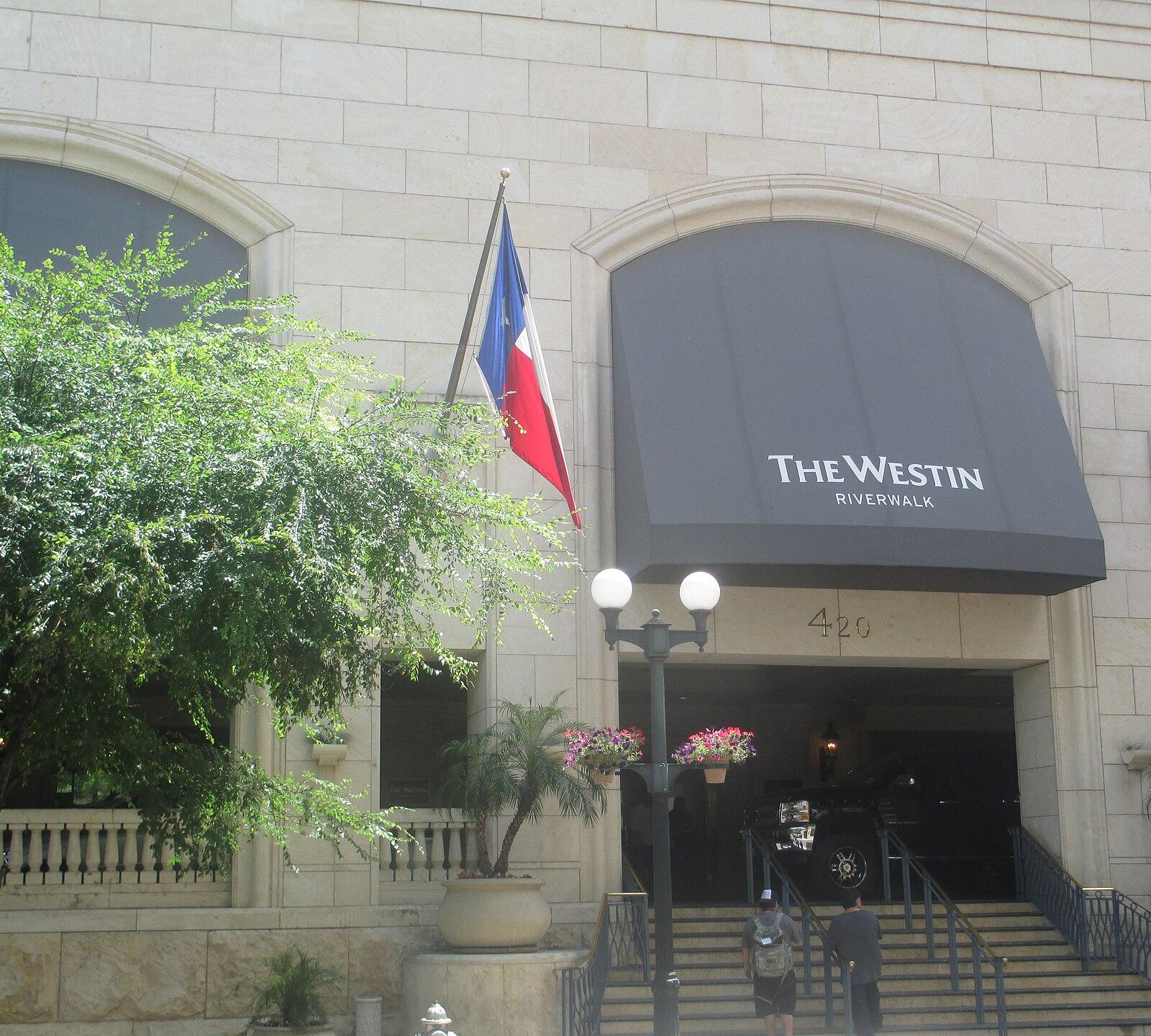
Enrollment in San Antonio's organized meditation programs has climbed sharply since January, with several studios reporting waitlists for weeknight sessions that were half-empty just two years ago. The shift is showing up across the city, in church fellowship halls, converted bungalows near Five Points, and on people's phones during lunch breaks on the River Walk.
The timing makes sense. With household financial stress still running high and workplace burnout ranking as a top concern in Bexar County's most recent community health assessment, residents are hunting for relief that doesn't cost what therapy does. A single drop-in meditation class in San Antonio typically runs between $10 and $20, while monthly unlimited memberships at local studios average around $65, well below the $150-plus hourly rate for many mental health practitioners. That price gap is pulling in first-timers who might otherwise have dismissed sitting quietly as something for people with more time and money than they have.
Where to Show Up in Person
The San Antonio Zen Center on West Ashby Place in Tobin Hill remains the city's most established option for structured practice. The center holds zazen, seated Zen meditation, six mornings a week starting at 6:30 a.m., and a longer Saturday sitting that draws regulars from Alamo Heights, Southtown and as far as Converse. Suggested donation is $5, though nobody is turned away. Beginners are welcome at an orientation held the first Sunday of each month.
Southtown's own wellness corridor along South Alamo Street has added two studios with dedicated meditation programming in the past 18 months. Breathe Salt and Wellness, near the Blue Star Arts Complex, offers guided sessions inside a Himalayan salt room, a combination that sounds gimmicky but has developed a loyal following among clients who say the environment helps them actually stay still. Their 45-minute Wednesday evening class fills reliably. A six-session starter pack runs $75.
For something community-driven and free, the Mindful San Antonio Meetup group, searchable on Meetup.com, gathers twice monthly at the Central Library branch on Soledad Street downtown. The group is secular, drop-in, and draws between 15 and 40 people depending on the week. It has been meeting continuously since 2019, surviving the pandemic through Zoom and returning to in-person sessions in spring 2022. No cushions required; folding chairs are provided.
The YMCA of Greater San Antonio operates guided relaxation and mindfulness components inside several of its group fitness schedules at locations including the Norris Conference Center branch and the Schertz facility. Members pay nothing extra; non-members can purchase day passes for $15.
Apps That Actually Hold Up
For anyone who can't commit to a class schedule, three apps consistently get recommended by San Antonio wellness instructors when asked what they suggest to students between sessions. Insight Timer is free at its core and carries thousands of guided meditations, including several recorded by Texas-based teachers. Calm charges $69.99 annually and is particularly well-regarded for sleep-focused content, relevant given that Bexar County adults report lower average sleep duration than the Texas state average, according to 2024 CDC behavioral health data. Headspace, at $12.99 per month, structures practice into short daily sessions that work for people who struggle to find 20 consecutive free minutes.
None of these apps replaces the accountability of showing up somewhere with other people, which instructors at the Zen Center and Breathe both emphasize. But for a city where traffic on Loop 410 can add 40 minutes to a commute without warning, having a reliable backup matters.
If you're new to meditation entirely, the practical advice from practitioners across the city is consistent: start with a guided group session rather than an app, because having a teacher in the room makes it easier to ask basic questions and harder to quietly give up after four minutes. The Zen Center's monthly orientation and Mindful San Antonio's drop-in format are both built for exactly that scenario. Check individual venue websites for July 2026 schedules, as several studios adjust summer hours around the holiday weekend. And as always, if you're managing a diagnosed anxiety disorder or depression, talk to a physician or licensed counselor before treating meditation as a standalone intervention.