Property
How Much Rent Is Too Much? The 30% Rule in Practice for San Antonio
San Antonio renters wrestle with the classic affordability guideline as local rents eclipse wage gains.
4 min read
Property
San Antonio renters wrestle with the classic affordability guideline as local rents eclipse wage gains.
4 min read
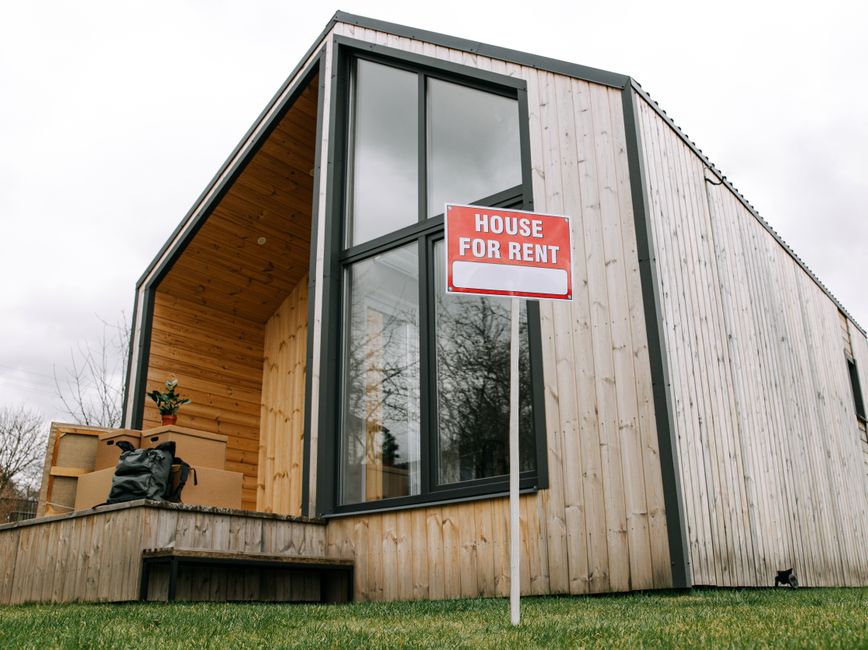
A recent analysis from the San Antonio Board of Realtors reveals a sobering fact: more than 43% of city renters now spend over 30% of their gross monthly income on rent, blowing past the time-honored threshold for housing affordability.
The tug-of-war between paychecks and rising rents is hitting home as July’s median two-bedroom lease stands at $1,450, up about $90 from mid-2025. With home values soaring across Bexar County and persistent shortages of entry-level housing, tens of thousands of residents are questioning how much rent is too much — and whether the “30% rule” still holds in 2026’s hectic market.
San Antonio’s real estate market, long considered more affordable than Austin or Dallas, is seeing sharper pressure on renters than at any point in the last decade. Neighborhoods like Tobin Hill, just north of downtown, and the Medical Center district in the northwest have seen median rents jump by 8% to 12% over the last year, according to figures supplied by ApartmentData.com. At the Centro Plaza VIA station, commuters waiting for the number 100 bus debated whether it’s still possible to find one-bedroom units under $1,000 anywhere near downtown.
The 30% rule — that housing costs should not exceed 30% of gross monthly income — comes from federal guidelines used by the U.S. Department of Housing and Urban Development and local organizations such as the San Antonio Housing Authority (SAHA). SAHA’s waitlist for affordable voucher units exceeded 14,000 applicants this spring, underlining the desperation as rents edge higher.
The standard monthly household income for a renter in San Antonio is just over $4,000, according to the most recent US Census American Community Survey. At 30%, that caps affordable rent at $1,200 per month — but the market reality is more stark. The citywide average rent for all unit sizes now stands at $1,356, according to May 2026 rent tracker data from Zumper. For young professionals working downtown, the squeeze is even tighter: properties near the River Walk routinely advertise studios at $1,350 and up, with parking fees pushing costs higher still.
The crunch isn’t evenly distributed. Renters in neighborhoods along Fredericksburg Road and Southtown report the biggest gap between wages and necessary housing spending, property management firm Urban Bexar found in its spring survey. In more affordable areas like Harlandale or Lackland, available stock remains thin and is often snapped up within days. For many teachers and city employees, the only way to keep housing under the 30% threshold is to find roommates or move further out toward Loop 1604.
Local initiatives are attempting to dull the pain. The San Antonio Housing Trust has three new affordable rental projects underway, slated for completion at the end of 2026, but these will add only 220 new units. City Hall is reviewing proposals for incentive programs aimed at keeping rents down along East Commerce and Culebra, targeting residents at risk of becoming “rent burdened.” Still, housing counselors at the Frank Garrett Community Center caution: for most low- and moderate-income renters, the 30% rule is more guideline than achievable goal.
For those struggling to decide whether to renew a lease or hunt for cheaper alternatives, the most practical step remains a blunt budget — tally every regular expense, estimate likely rent increases, and check whether making rent means sacrificing essentials. Across the city, experts agree: if you’re spending more than 30% on rent, you’re not alone in San Antonio — but vigilance, and persistence in searching for support programs, can help make the difference between just getting by and sinking under rising costs.

Property
Property

Property

Property
About this article
Published by The Daily San Antonio
Spread the word
Daily brief
Free, in your inbox before 7am. Weekdays.
The Daily Network — local news across Australia