Property
San Antonio Rents Stand Out in Texas: Regional Vs. Capital City Affordability Analysis
With home prices and rents climbing across Texas, San Antonio still outpaces Austin for renters—and buyers—seeking relative affordability.
3 min read
Property
With home prices and rents climbing across Texas, San Antonio still outpaces Austin for renters—and buyers—seeking relative affordability.
3 min read
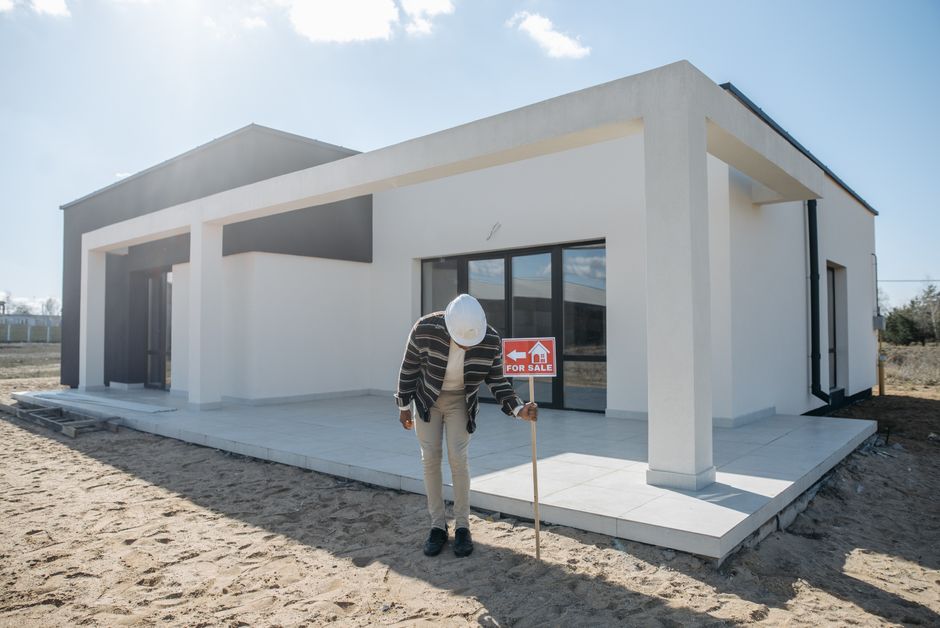
The average asking rent for a two-bedroom apartment in San Antonio climbed to $1,520 in June, a monthly rise of $28, but the city remains one of Texas’ most accessible options for renters and first-time buyers compared to the state capital, Austin, where comparable units now run $1,900 or more, according to latest figures from ApartmentData.com.
This divergence in affordability comes as many local families feel squeezed by property tax hikes, sustained in-migration, and stubbornly high interest rates. Rental and purchase prices are creeping up citywide, yet market watchers point out that San Antonio’s steadier pace—relative to explosive growth in Austin—could offer some shelter for those eager to put down roots or trim housing costs as global economic uncertainties persist.
Home seekers scanning listings in The Pearl or along Broadway Street are discovering pockets of value, even as new build supply struggles to match demand. Data from the San Antonio Board of Realtors shows the median home sales price hit $323,000 last month. Meanwhile, the Austin Board of Realtors pegged June’s median there at $468,000, a 45% jump over San Antonio’s figure. Most major Texas cities report even higher average rents than San Antonio—the biggest hikes landed in Austin’s South Congress corridor and Dallas’ Uptown.
Organizations such as the San Antonio Housing Trust are trying to bridge gaps. Their latest initiative, a 300-unit mixed-income project set for Culebra Road, is expected to bring relief to working residents earning 60-80% of the area median income by next spring. Urban Core neighborhoods—including Government Hill and Five Points—are seeing both fresh supply and rising competition as relocation trends accelerate.
Nationally, Redfin found it was still cheaper to rent than to buy in 48 out of 50 largest U.S. metros as of June. Locally, San Antonio follows a similar script: With average mortgage rates hovering around 6.75%, a buyer putting 10% down on a $323,000 home would face monthly payments near $2,375 before taxes and insurance—outstripping the typical market rent by $850 per month.
However, renters face competition for affordable units, especially near large employers like Methodist Hospital and USAA. On the city’s South Side, several new complexes around Brooks City Base are pre-leasing at sub-$1,400 rates, but those units are filling up quickly. The San Antonio Apartment Association warns that, despite robust construction totals—over 6,500 units delivered in the past year—demand remains high, especially for units below $1,600.
For locals weighing options, the current environment calls for diligence. Buyers should factor in higher borrowing costs and rising insurance, while renters should monitor new construction announcements for opportunities, particularly in northeast neighborhoods like Windcrest and in redeveloped areas off Fredericksburg Road. Prospective homeowners may wish to track state-level property tax reform proposals, while renters can use city portals including SAHA and Opportunity Home San Antonio to apply for subsidized units. If trends hold, San Antonio’s relative value—compared to Austin or Dallas—could remain a key draw through 2026, even as prices edge higher citywide.

Property
Property

Property

Property
About this article
Published by The Daily San Antonio
Spread the word
Daily brief
Free, in your inbox before 7am. Weekdays.
The Daily Network — local news across Australia