Property
The Rent-Vesting Strategy Explained for San Antonio’s Market
With home prices still rising in Alamo City, more young professionals are buying to rent out while continuing to lease in their favorite neighborhoods.
4 min read
Property
With home prices still rising in Alamo City, more young professionals are buying to rent out while continuing to lease in their favorite neighborhoods.
4 min read
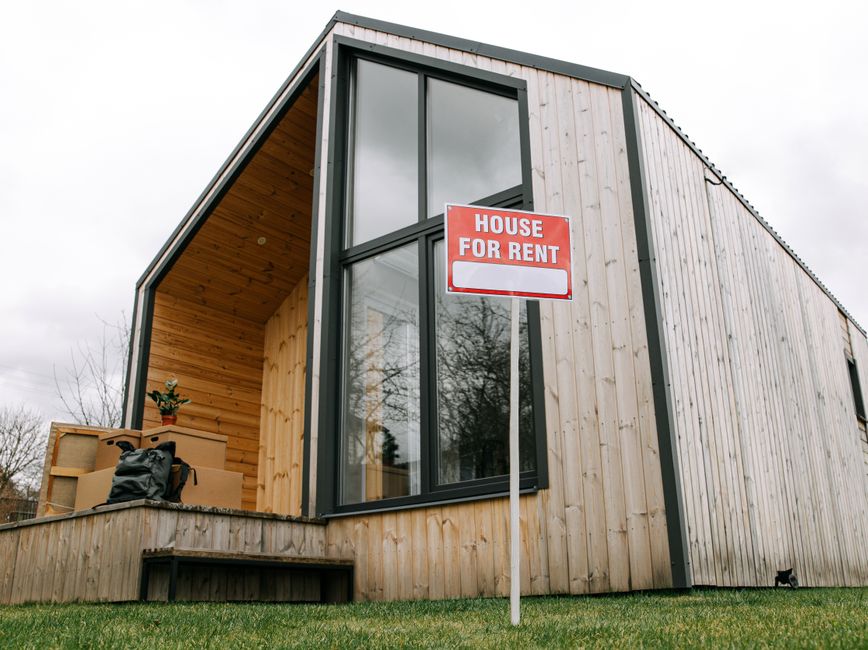
In 2026, aspiring homeowners in San Antonio are turning to a fresh approach: rent-vesting. Instead of purchasing homes to live in, a growing group is purchasing investment properties—often in outlying suburbs—while continuing to rent in centrally located neighborhoods like Southtown or King William.
This strategy is gaining steam just as home prices in San Antonio push further beyond the budgets of many first-time buyers. According to the San Antonio Board of Realtors, the median sale price in Bexar County hit $330,000 in June, up 5.1% over the same period last year. Meanwhile, median rents for a one-bedroom apartment in walkable, downtown-adjacent neighborhoods like Pearl or Tobin Hill were up 6% year-over-year, now hovering around $1,450 a month. For renters keen on city life but feeling squeezed by housing inflation, rent-vesting offers a way to start building equity without giving up urban amenities.
“I knew I couldn’t afford a historic home near the River Walk, but I could buy a new build in Windcrest and rent it out,” said one local investor, describing the rationale behind this tactic. The idea is simple: buy where it makes financial sense, and rent where you actually want to live. This separation between investment and lifestyle is drawing particular interest from professionals working at downtown headquarters like Frost Tower or UT Health San Antonio, who want to remain close to jobs and nightlife but face steep buying costs in central ZIP codes.
Realty groups such as Phyllis Browning Company and Kuper Sotheby’s report a surge in out-of-town buyers as well as locals using this split-strategy. According to recent city permitting data, the highest volume of affordable new housing has been pushed out to the southwest, near communities like Southwest ISD’s vicinity, where builders are listing three-bedroom homes for as little as $235,000. These are in stark contrast to the $470,000 average for similar-size homes in Alamo Heights. Buyers can often finance these lower-priced investments with less capital up front: on a 5% down payment, that’s under $12,000 cash needed to enter the market.
The math is compelling. A typical rent-vesting owner purchasing in neighborhoods like China Grove or Potranco Road can count on monthly rental income covering most or all of their mortgage, while continuing to pay out-of-pocket rent to live in a desirable spot close to work or social life. Lenders such as Credit Human and Randolph-Brooks Federal Credit Union say they’re seeing more young clients seeking loans for non-owner-occupied purchases, a trend that tracks with higher homeownership ambitions among Millennials and Gen Z in the Census 2026 interim survey.
There are risks, too—property management, fluctuating rental vacancies, and the effort of mastering landlord obligations top the list. But with for-sale inventory still tight (active listings are down 9% on Zillow since last year) and new apartments leasing swiftly near the Pearl and Blue Star complexes, many see rent-vesting as a smart response to current market conditions.
For would-be rent-vesters in San Antonio, experts recommend starting with a close look at property taxes in target suburbs (rates in parts of Bexar and Medina counties can differ by more than 1.2%). Consulting with a local lender and scoping out rental demand—especially in high-growth corridors like Leon Valley or the Brooks City Base area—is essential. Several local meetups, such as the San Antonio Real Estate Investors Association, offer monthly workshops on managing investment properties and navigating landlord-tenant laws under the current regulatory climate.
The bottom line: buying to rent out in affordable neighborhoods, while leasing in the city, is no longer just a workaround—it’s an increasingly mainstream strategy for San Antonians priced out of their dream ZIP codes. As home prices climb and rental demand holds firm in central districts, rent-vesting looks set to find even more followers among the city’s upwardly mobile workforce in the second half of 2026.

Property
Property

Property

Property
About this article
Published by The Daily San Antonio
Spread the word
Daily brief
Free, in your inbox before 7am. Weekdays.
The Daily Network — local news across Australia