Property
How Much Rent Is Too Much? The 30% Rule in Practice in San Antonio
Rising rents across San Antonio are pushing many households to rethink the long-held 30% income guideline amid rapid market changes.
3 min read
Property
Rising rents across San Antonio are pushing many households to rethink the long-held 30% income guideline amid rapid market changes.
3 min read
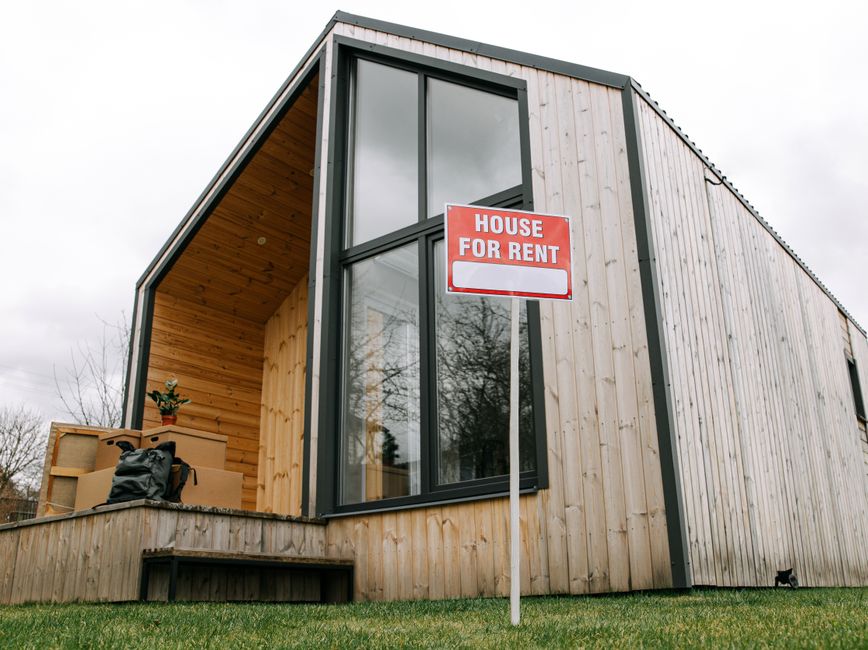
Renters across San Antonio are finding it harder than ever to stay within the once-standard 30% rule as median listing prices push monthly rent past $1,600 in neighborhoods from Southtown to The Rim, according to updated real estate figures.
The pressure to stay afloat is intensifying as heatwaves, insurance hikes, and shifting work patterns drive both rents and living costs higher across Bexar County. Locals are finding that what used to be the line between smart budgeting and overreach is now a blurry boundary, testing the limits of the city’s historic affordability.
The basic premise: Tenants shouldn’t spend more than 30% of their income on rent. But for Maria Garza, who rents a two-bedroom apartment at The Valencia Lofts just off Broadway, that formula broke down this spring when renewal came and her rent jumped to $1,725 per month. She earns around $4,800 monthly as a nurse at Methodist Hospital. “After groceries and gas, there’s really nothing much left,” she explained at the lobby, running through budget apps. Across the city, similar stories are playing out, from Westover Hills to the King William Historic District. Data provided by the San Antonio Apartment Association in June shows that 44% of renters here now pay more than 30% of income in rent.
Downtown’s Studio Park apartments, for example, list studios at $1,375. Assuming a single renter’s median income of about $51,500 (as reported by the U.S. Census Bureau’s latest 2025 update), every dollar over $1,288 monthly puts them above the rule-of-thumb ceiling. For those sharing or renting townhomes in Alamo Ranch, three-bedroom units at $2,400 a month often edge dual-income couples perilously close to the same limit.
According to Zillow’s May figures, the citywide median rent sits at $1,622. That’s a leap of 6.2% year-over-year, outpacing the local wage growth of just 2.1%. At these prices, a renter would need a gross monthly income of at least $5,400 to stay under the 30% guideline. Yet San Antonio’s average hourly wage, per the Texas Workforce Commission, was $25.30 as of Q2 2026, translating to around $4,390 per month pre-tax. That gap leaves thousands spending 35% or more of their take-home on housing—especially in neighborhoods like Mahncke Park and South Alamo, where competition for renovated rentals has pushed prices up since the start of the year.
Local assistance programs have ramped up: the city-backed Housing Assistance Program increased its renter support budget to $11 million for FY2026, targeting those well above the affordability cutoff. But for many, the help isn’t enough to offset rising rents and utilities, especially during months when extreme weather sends power bills soaring. The San Antonio Housing Authority reported more than 3,400 new applications for its housing voucher waiting list since April.
The question for many—“buy or rent?”—remains complicated. Median home prices stand at $312,900 (SABOR, June 2026), pricing many out of the buyer market unless they can assemble a hefty down payment and secure competitive mortgage rates that have hovered near 7% this summer.
With forecasts predicting further rent growth through 2027 and no sign of wage jumps to match, experts caution renters to scrutinize their budgets, seek out roommate arrangements, and research city subsidy programs at the start of any apartment search. For now, the days of rent reliably fitting under that 30% mark may only be a reality for those earning well above the city’s median, or willing to look farther afield—increasingly, beyond Loop 410.
Property
Property
Property

Property
About this article
Published by The Daily San Antonio
Spread the word
Daily brief
Free, in your inbox before 7am. Weekdays.
The Daily Network — local news across Australia