Property
How Much Rent is Too Much? The 30% Rule in Practice for San Antonio Residents
For thousands of San Antonians, hitting the classic '30% of income' target is becoming tougher as rents climb faster than wages.
3 min read
Property
For thousands of San Antonians, hitting the classic '30% of income' target is becoming tougher as rents climb faster than wages.
3 min read
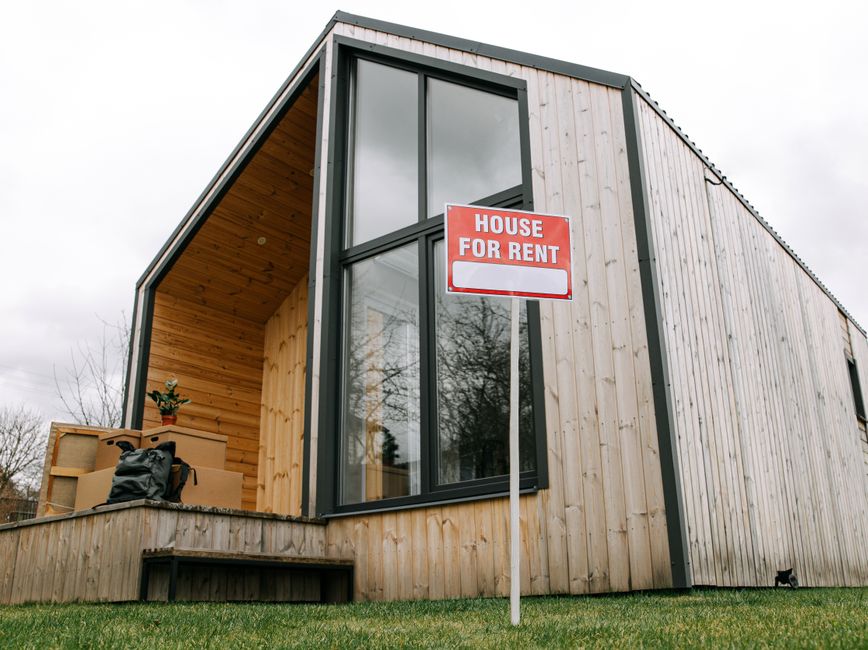
On the North Side, two-bedroom apartments on Blanco Road routinely list for $1,450 a month, and many San Antonians are starting to ask whether their rent is finally, simply, too much. For years, the 30% rule — don’t spend more than 30% of your gross income on housing — has been the gold standard for renters. But with rents rising far faster than wages, more residents are blowing past that benchmark, raising a critical question for city leaders and working families alike.
The affordability challenge in San Antonio comes at a moment when extreme weather events and global instability are driving up basic costs everywhere. But locally, these pressures have landed squarely on renters. The city’s population keeps growing — the U.S. Census Bureau clocked San Antonio at just over 1.5 million last year — and a steady pipeline of new arrivals on active military duty, retirees, and tech sector workers has kept pressure on available homes. As a result, rents from Elmendorf on the south to Stone Oak in the north have seen sharp year-on-year increases, even as consumer prices spike.
In historic neighborhoods like King William and high-density corridors along Broadway, competition for centrally located apartments is fierce. The San Antonio Housing Authority’s (SAHA) July rental survey found the median listed rent for a one-bedroom near the Pearl Brewery district hit $1,270 last month, up 6% from July 2025. Meanwhile, on the West Side, modest duplexes on General McMullen Drive rarely remain vacant for a week before new renters move in — at typical rents of $950 for a two-bedroom.
For low-to-moderate income households, this leaves little breathing room. Data from the nonprofit Texas Housers shows that, as of June, about 54% of renters in Bexar County were paying over 30% of their income in rent. The median household income for renters, according to the latest Bexar Appraisal District figures, sits at $44,500. At that level, 30% of gross income equals only $1,112 per month — well below average rent for most of the city’s central or newly built apartments. Area voucher programs, like those offered by Opportunity Home San Antonio, are oversubscribed and face waitlists extending years.
Real estate agent Celeste Mendoza, who specializes in properties around Jefferson High School, says that while renters are often told to stick to the 30% rule, the regional reality doesn’t always make that feasible. Instead, she recommends prospective tenants itemize all fixed costs — including utilities (about $170/month for a typical two-bedroom), insurance, and transport expenses — before signing a lease. "Consider everything you can’t cut in an emergency," Mendoza advises. "What’s left is your safety margin." She points renters to local resources like the City of San Antonio’s resident utility relief grant and programs at St. Mary’s University that offer short-term legal advice for those struggling to keep up with rent.
With no dip in citywide demand, renters pushing past the 30% mark face difficult choices unless incomes rise or more affordable inventory is built. For now, most experts suggest monitoring new city initiatives like the Neighborhood and Housing Services Department’s Affordable Housing Trust, which plans to break ground on a new 210-unit complex near South Flores Street this September. Until those rents come online, many San Antonians will be forced to keep running the numbers — and to decide, apartment by apartment, whether the roof over their heads is stretching their paychecks too thin.

Property
Property

Property

Property
About this article
Published by The Daily San Antonio
Spread the word
Daily brief
Free, in your inbox before 7am. Weekdays.
The Daily Network — local news across Australia