Property
San Antonio Sees Growing Divide Between House and Unit Prices—Here’s Why It Matters
The price gap between detached homes and apartments in San Antonio is widening, reshaping the city’s real estate dynamics and buyer decisions.
3 min read
Property
The price gap between detached homes and apartments in San Antonio is widening, reshaping the city’s real estate dynamics and buyer decisions.
3 min read
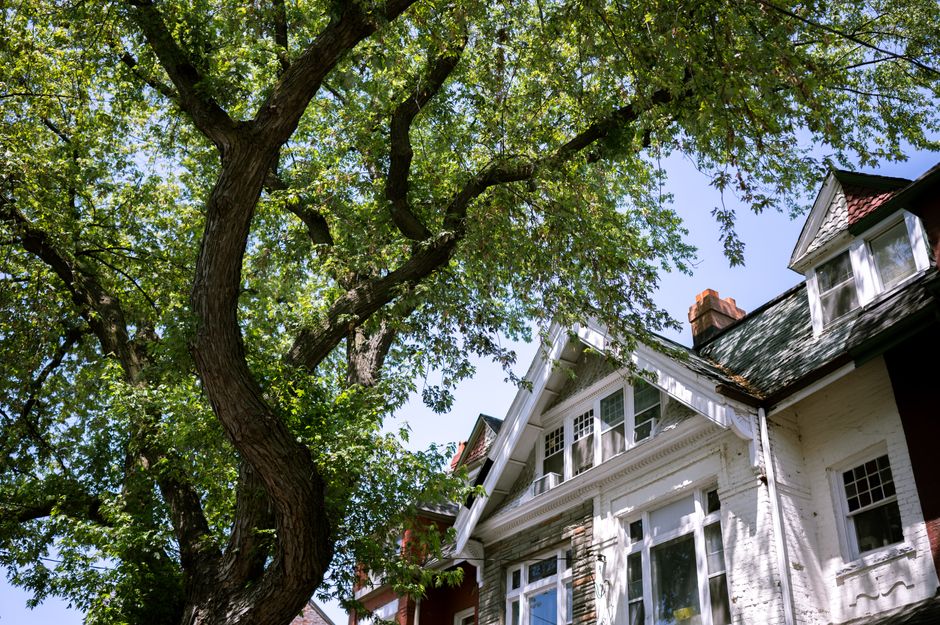
The median sale price for single-family homes in San Antonio surged to $382,000 last month, marking a new record—and accelerating away from the city’s unit and condo market, where values remained largely stagnant, according to figures released by the San Antonio Board of Realtors (SABOR) this week.
This divergence is more than a curiosity for agents and analysts. It’s creating real winners and losers in neighborhoods across Bexar County, driving distinct pressures on buyers and renters at a time when affordability is top of mind for many working families. The city’s rapid population growth—fueled by an influx from Austin, Houston, and out-of-state arrivals—has driven up demand for suburban homes, but not for urban units, as people search for more space and manageable mortgage payments amid a whisper of upcoming Federal Reserve rate hikes.
Nowhere is the price gap more evident than on San Antonio’s far Northwest Side. In Alamo Ranch and Helotes, three-bedroom homes routinely close for above asking price, with multiple bids and average time on market down to just 18 days, according to listings data from June 2026. In contrast, downtown high-rises along East Houston Street and the Broadway corridor are seeing median days on market stretch past two months. Uptown units at The Mosaic on Broadway, once sought after by young professionals, are now sitting unsold for weeks and fetching offers below last year’s appraisals.
"Single-family homes in neighborhoods like Stone Oak and Shavano Park are selling at a premium," said a senior market analyst at local property firm Legacy Realty, who cited chronic inventory shortages. "But condos and units—even in desirable buildings near Pearl or Southtown—aren’t moving at the same clip." The Interactive Growth Incentives Program (IGIP), a city-backed effort to stimulate new infill construction near the River Walk, has struggled to boost buyer interest in new units, officials admitted in recent council filings.
SABOR reported that while detached house prices in San Antonio jumped by 6.7% over the past 12 months, unit prices barely budged—rising just 1.1% year-on-year, or less than the pace of inflation. Downtown condo sales made up less than 7% of all residential transactions in May, the lowest share since late 2022. Meanwhile, in the booming suburbs ringed by Loop 1604, more than 350 new single-family homes changed hands in that same month alone.
The diverging trends appear to have roots in changing preferences post-pandemic, with buyers prioritizing backyards, home offices, and flexible family space. “This isn’t purely about cost anymore,” said a local mortgage adviser at Generations Federal Credit Union, citing steady demand from remote workers and families looking for school proximity in North East ISD zones. Appraisal data for June shows some older units in the King William district selling below $250,000, while comparable older houses nearby command upwards of $500,000 despite needing renovation.
Looking ahead, San Antonio buyers in the market’s middle tier should keep an eye on supply, especially as builders are already moving dirt on nearly 800 new homes planned for Westover Hills and Cibolo by year’s end. For city-based condo sellers, patience may be required as inventory remains high and cash-rich investors continue to bide their time. Watch for possible shifts if interest rates rise further or if new city-backed incentives make high-density living more attractive. For now, the house-unit price gap signals San Antonio’s identity crisis—a city caught between its sprawling roots and an aspirational urban core.
Property
Property
Property

Property
About this article
Published by The Daily San Antonio
Spread the word
Daily brief
Free, in your inbox before 7am. Weekdays.
The Daily Network — local news across Australia