Property
Is Renting Actually Cheaper Than Buying Right Now in San Antonio?
Average rents have risen, but fast-rising mortgage rates and home prices mean renting can still be the more affordable option for many San Antonians this summer.
3 min read
Property
Average rents have risen, but fast-rising mortgage rates and home prices mean renting can still be the more affordable option for many San Antonians this summer.
3 min read
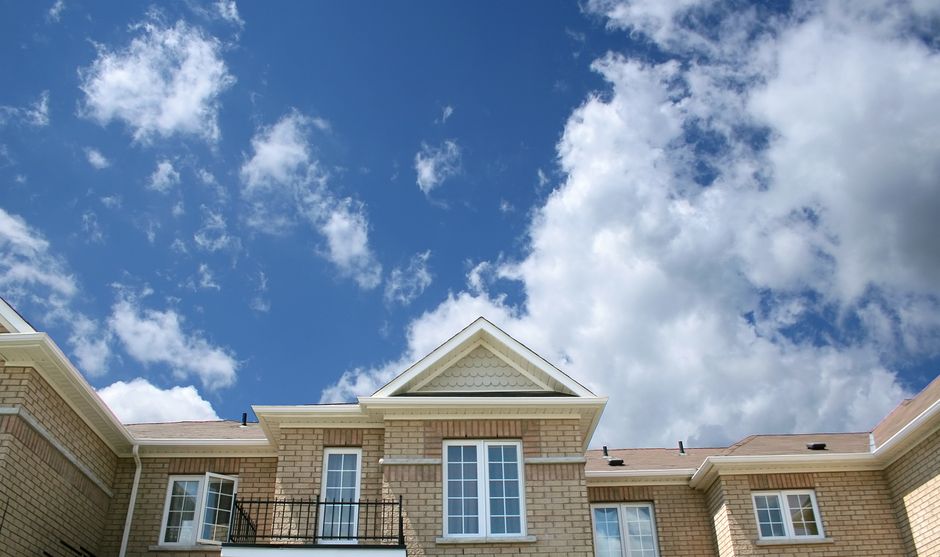
In San Antonio this July, the monthly cost to rent a typical apartment is several hundred dollars lower than the average mortgage payment on a starter home—marking a reversal from previous years, when ownership looked more attainable for first-time buyers.
This affordability gap matters now more than ever. Mortgage rates across Bexar County are hovering near 7% for 30-year fixed loans, and home prices in core neighborhoods like Alamo Heights and Stone Oak have climbed steadily over the past two years. For young professionals, essential workers and families hoping to put down roots in the city, the decision to buy or rent has shifted from aspiration to hard-nosed math.
Take the Pearl District, where a one-bedroom apartment at The Cellars averaged $1,700 a month in June, according to ApartmentData.com. Meanwhile, on Mission Road near the Blue Star Arts Complex, advertised rents for two-bedroom units hover around $2,000. Compare that to buying: the median price for a starter home in central San Antonio reached $312,000 last month, based on San Antonio Board of Realtors (SABOR) figures. With a 10% down payment and today’s prevailing interest rate, monthly mortgage, taxes and insurance routinely surpass $2,400 for similar properties.
'It’s not just the home price, it's the rate, plus taxes and HOA fees,' said an analyst at the San Antonio Housing Trust. Neighborhoods like Beacon Hill and Dignowity Hill once offered comparatively affordable entry points, but strong demand and dwindling inventory have driven those prices up as well. For residents whose incomes haven’t kept pace, renting—despite its own increases—wins out for sheer month-to-month affordability.
According to Zillow’s latest San Antonio market report, the city's median rent for all unit types was $1,470 in June 2026, up 5% from the previous summer. Meanwhile, the median sale price for all homes citywide jumped 8% year-over-year, outpacing both wages and the rental market. For buyers using a 30-year fixed loan at 7% interest, the monthly carrying cost on that median-priced home now lands around $2,150—including insurance and taxes, but before repairs or HOA dues.
By comparison, the San Antonio Apartment Association found vacancy rates trending just under 7% in May—a sign that, despite rent hikes, demand for apartments remains robust. Many renters cite flexibility and lower up-front costs. For those unable or unwilling to spend $30,000-plus on a down payment and closing costs, monthly rent still provides the path of least resistance.
Industry experts caution that the calculus could shift if interest rates fall later this year or if local wage growth finally heats up. For now, however, a working professional or young couple in neighborhoods like Southtown or Tobin Hill will likely pay less each month by leasing than buying the same square footage.
Potential buyers should keep a close eye on the Federal Reserve's next moves and local wage trends. Those determined to enter the market can explore down-payment assistance through programs like the City of San Antonio’s Homeownership Incentive Program (HIP), which offers help for qualifying first-time buyers. But most financial planners recommend a full accounting of not just the mortgage, but other associated costs before committing to purchase.
For many San Antonians, at least through the rest of 2026, renting is the more cost-effective path. Homeownership dreams remain strong here, but math—and the market—have the final say for now.
Property
Property
Property

Property
About this article
Published by The Daily San Antonio
Spread the word
Daily brief
Free, in your inbox before 7am. Weekdays.
The Daily Network — local news across Australia