Wellness
Science-Backed Wellness Habits That Actually Work in Australia’s New Reality
Daily routines grounded in real research can help locals thrive, even as extreme heat and stressors rise.
4 min read
Wellness
Daily routines grounded in real research can help locals thrive, even as extreme heat and stressors rise.
4 min read

Sydney just closed out its hottest June on record, topping the mercury for the first time in more than a century and shaking up local routines from Bondi to Blacktown. As daytime highs nudged 26°C and nighttime temperatures failed to cool, gyms like Fitness First Bond Street reported a flood of after-hours visitors trying to dodge the midday scorch. For millions across the country, last month’s record weather has turned familiar advice about exercise, sleep, and self-care upside-down – and left many asking what actually works here, now.
The brutal reality: Australia’s active wellness culture is getting a reality check. When it’s too hot to jog the Bay Run at Rozelle or even stroll Centennial Park at noon, improvising a healthy lifestyle takes more than willpower. Beyond comfort, there are safety risks; heat exhaustion cases nudged hospital admissions at Royal Prince Alfred Hospital up by nearly 4% across late June, according to NSW Health. Add in the sharp uptick in work and study stress noted by Lifeline’s local branches since the school holidays began, and the pressure on both body and mind is clear.
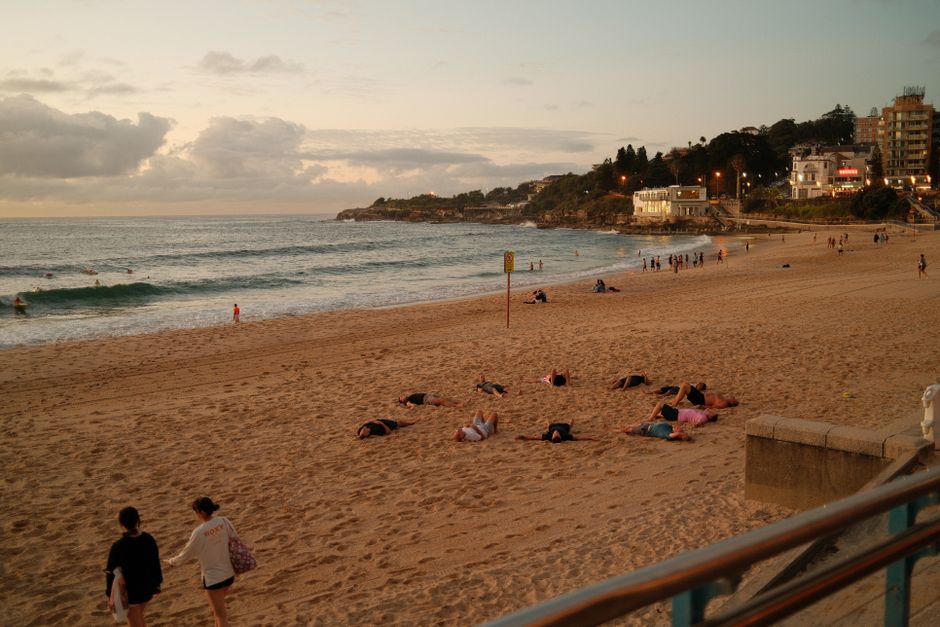
Some traditional wellness tips simply don’t translate to the current conditions. Take morning runs, once a staple for thousands around Hyde Park and along the Coogee Coastal Walk. Heat and humidity before dawn now exceed safe thresholds on many days. In response, personal trainers like Cammeray’s Elevate Fitness have switched group fitness sessions to shaded spaces or fully indoor locations, often before 7am or after 7pm. Swim squads at Andrew (Boy) Charlton Pool have seen a 25% jump in membership since May, according to pool records, as locals pivot to lower-risk activity. “Hydration and sun protection aren’t optional – they're non-negotiable from the get-go,” confirms a program update from the pool’s management posted last week.
Other community groups are getting creative. Inner West Council, for example, has rolled out additional Tai Chi and yoga classes in shaded areas of Marrickville Park and the Petersham Town Hall every Thursday and Saturday, regardless of the forecast. The Heart Foundation’s monthly walking groups now begin at 6:15am instead of 8am, responding to members’ concerns about heatstroke and air quality after multiple high-alert pollution days in late June. Even smaller fitness studios in suburbs like Dulwich Hill are investing in industrial-grade air purifiers to cut indoor ozone and PM2.5 spikes during afternoons when outdoor activity is simply not safe.
Data from the Bureau of Meteorology confirms that the average daily maximum temperature in Sydney this June was 22.5°C – 4.3°C above the long-term June average. Harvesting these facts means it’s time to rethink routines with evidence in mind. Hydration needs go up: Sports Dietitians Australia now recommends at least 2.5 to 3 litres of water daily on hot days for active adults, more if you’re exercising. For sleep, the Sleep Health Foundation’s research found a 12% drop in average sleep duration among locals during June’s warm spells, with many reporting more night waking. Their guidance? Cooling bedding, blackout curtains, and air-conditioning – yes, even if you’re usually an open-window devotee – can improve sleep efficiency, and keeping the bedroom below 23°C is proven to cut sleep disruptions.
Cost is a growing worry. Power bills for running cooling appliances have jumped: NSW residential electricity rates hit an average of 37.8c/kWh in 2025-26, up nearly 9% in twelve months (Energy Consumers Australia). Still, not all fixes are expensive. Community pools like Victoria Park Pool, charging $7.80 entry, offer reliable relief. Local libraries at Surry Hills and Marrickville are open late with free air-conditioning and calm, safe spaces to read or work, a lifeline for students or parents without home cooling.
Practical next steps for Australians? Schedule outside activity for the coolest part of the day, track local UV and air quality with EPA NSW’s live app, and use hats, SPF50+ sunscreen and reap the benefits of shaded parks or water-based exercise. If restless sleep is dragging you down, try a quick evening shower, swap heavy bedding for light cotton, and keep blinds closed from mid-afternoon onwards. For stress relief, free midday mindfulness sessions are running at The Meditation Spot on Pitt Street all month – no booking needed.
Warm, stressful, and unpredictable: yes, Australian wellness routines need an update. But, armed with science and a handful of local hacks, it’s still possible to put health and happiness first, even as the temperature rises.
Wellness
Wellness
Wellness

Wellness
About this article
Published by The Daily San Antonio
Spread the word
Daily brief
Free, in your inbox before 7am. Weekdays.
The Daily Network — local news across Australia