Politics
San Antonio Mayor Announces Infrastructure Push and Workforce Development Plan for 2026-2027
The city's new jobs and services initiative aims to expand public transit routes, upgrade water infrastructure, and create 1,200 construction and skilled trades positions over 18 months.
How we reported this
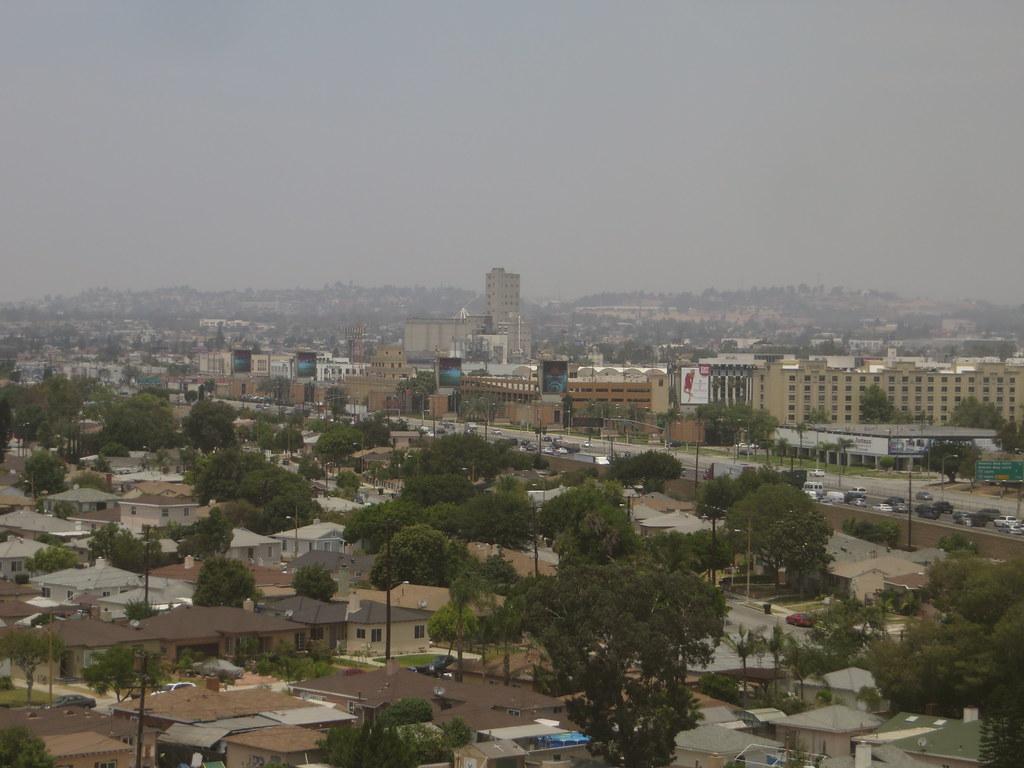
San Antonio's city government unveiled a combined infrastructure and workforce development strategy this week, committing $287 million in capital spending and federal grant funding to improve public services while creating jobs across construction, utilities and transportation sectors. The plan, detailed in the mayor's office budget proposal, targets three core areas: expanding the VIA Metropolitan Transit system, upgrading aging water and drainage systems, and training residents for positions in green infrastructure work.
The timing reflects pressure from residents and city council members over aging infrastructure across the metropolitan area. San Antonio's water mains, some dating to the 1960s, have experienced recurring breaks in central and east side neighborhoods over the past two years. The transit authority has faced criticism for limited service to outer city neighborhoods, particularly in areas south of Loop 1604 where car dependency limits job access for lower-income residents. The 2026 proposal directly addresses both concerns.
What the Plan Delivers for Residents
Under the infrastructure component, the city plans to replace 12 miles of water distribution pipe in five neighborhoods and add four new VIA bus rapid transit corridors connecting downtown to employment centers in the North Star and South Side industrial zones. The workforce development piece targets 1,200 positions, with the city coordinating with Alamo Colleges to provide free training in pipe fitting, electrical work, and transit operations. Residents completing the program receive job placement assistance and wage guarantees starting at $22 per hour, according to the mayor's office outline.
For San Antonio's working families, the concrete payoff is straightforward. Someone living in the Southcrest or Harlandale neighborhoods currently takes 45 to 65 minutes to reach employers in the North Star business district via two or three bus transfers. The new rapid transit corridor would cut that to 28 minutes with one transfer, opening up higher-wage job markets previously inaccessible without a personal vehicle. The city estimates 3,800 workers currently use transit to commute in those corridors; the expansion is projected to add 2,100 daily riders by 2028. Residents in areas with water main work will see reduced service disruptions, which have sometimes left blocks without running water for 12 to 24 hours during repair operations.
Budget and Implementation Timeline
The $287 million package draws from three sources: $110 million in federal Infrastructure Investment and Jobs Act allocations already awarded to San Antonio, $89 million from the city's general fund and enterprise revenues, and $88 million in state water infrastructure grants. The mayor's office says the funding strategy avoids new property tax increases. Implementation begins in August 2026, with water main replacement work starting in September and transit corridor construction beginning in October. The workforce training program launches in September through Alamo Colleges' Advanced Manufacturing and Building Trades centers.
City staff project the work will be completed by December 2027, though water main replacement in some neighborhoods may extend into early 2028 depending on soil conditions and utility conflicts. The city will establish a community liaison office in each project area to manage construction scheduling and address resident concerns about traffic disruptions during the work.
The plan now moves to the city council for final approval, expected by August 15. Council members from districts affected by the water and transit work have requested briefings on the project timeline and employment eligibility requirements for the training program.