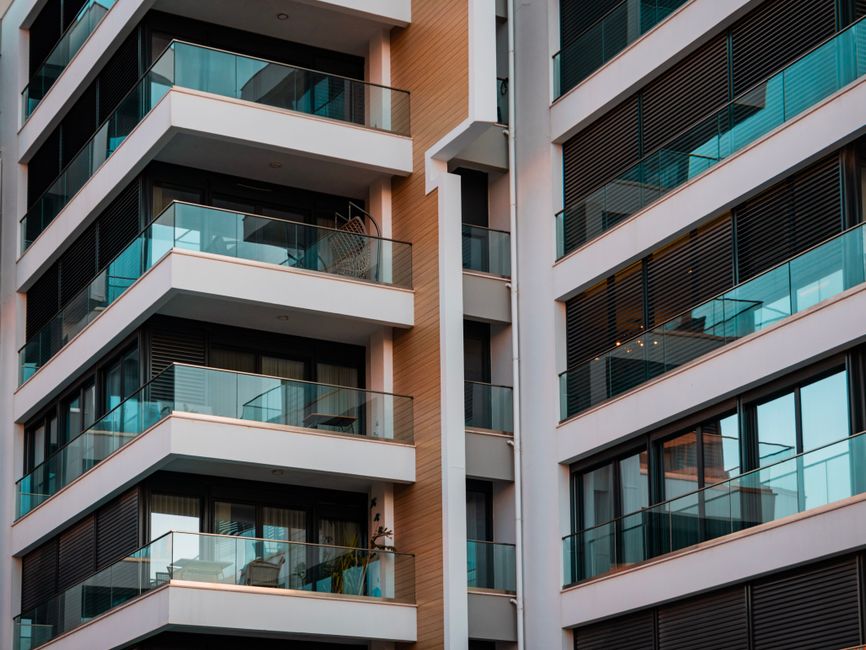
The conversion happened fast. Three years ago, the corner of South Presa and Cevallos was mostly empty storefronts and a transmission repair shop. Today it houses The Shops at Southtown, a mixed-use development anchored by five gallery spaces that opened in phases between 2024 and this spring. The transformation signals something larger reshaping this historically working-class neighborhood south of downtown: Southtown is becoming the city's primary destination for contemporary art, and the speed of change is testing how the area absorbs both opportunity and displacement.
The timing matters. San Antonio's established arts districts—the Pearl District and the Museum Reach along the San Antonio River—have grown expensive and crowded. Rent at Pearl, where a single gallery storefront can run $4,500 monthly, has priced out smaller operators and experimental spaces. Southtown, by contrast, still offers 900-square-foot industrial spaces at $1,800 to $2,400 a month, according to local commercial brokers. That math has drawn galleries like Madrona and Gewerk, which relocated from Pearl this past year, as well as artist collectives that couldn't afford comparable footprint anywhere else in the city.
Walk along South Alamo Street on any Friday night now and you'll see the shift in real time. The San Antonio Museum of Art anchors the neighborhood's north end. The Southtown Arts Initiative, a nonprofit founded in 2015, operates studio spaces in the old Coca-Cola bottling plant at 1604 South Alamo. Just south, near the Dignowity Hill historic district, new gallery openings have clustered: Gewerk occupies a 2,400-square-foot industrial unit that was previously used for auto storage. Madrona is two blocks down. The Tobin Center's expansion plans, announced last November, include new rehearsal and education facilities that will funnel more foot traffic through the neighborhood by 2027.
The Numbers Are Real, and So Are the Concerns
Property values in Southtown have climbed 23 percent in the past two years, according to Bexar County appraisal data reviewed this week. That's outpacing the citywide average of 15 percent. Three modest single-family homes on South Presa sold in the past eighteen months at an average of $485,000, up from an average of $310,000 five years prior. Rents for residential units in new mixed-use projects being planned for the area are running $1,600 to $2,200 for a one-bedroom, roughly 40 percent higher than what was typical in the neighborhood five years ago.
The economic tension is visible in community meetings. At a Southtown neighborhood association gathering in May, longtime residents raised questions about whether the gallery boom would actually serve the community or simply accelerate gentrification that prices out the families who've anchored the area for decades. The neighborhood is 68 percent Latino, with a median household income of $38,500 according to 2023 census data. Gallery openings bring foot traffic, but foot traffic brings property investors.
Madrona's director acknowledged the dynamic when discussing the decision to move south. The gallery, which specializes in contemporary photography and installation work, needed affordable space. The tradeoff is unavoidable: by moving to Southtown and drawing collectors and tourists, Madrona and similar spaces are participating in the very transformation that makes affordable space disappear.
What Comes Next Depends on Local Action
The San Antonio Museum of Art is planning a community benefits agreement with the neighborhood association, details of which should be finalized by September. The Southtown Arts Initiative is pushing the city to implement anti-displacement protections, including a property tax exemption program for owner-occupied homes in the district and a community land trust pilot. Those tools exist in other cities—Austin's Mueller neighborhood deployed a land trust approach—but San Antonio has been slower to adopt them.
For now, the galleries are arriving, the rents are climbing, and the neighborhood is changing whether the longtime residents are ready or not. The art scene thriving in Southtown is real. Whether that scene remains accessible to the neighborhood itself is the question no one has yet answered.